The exact words
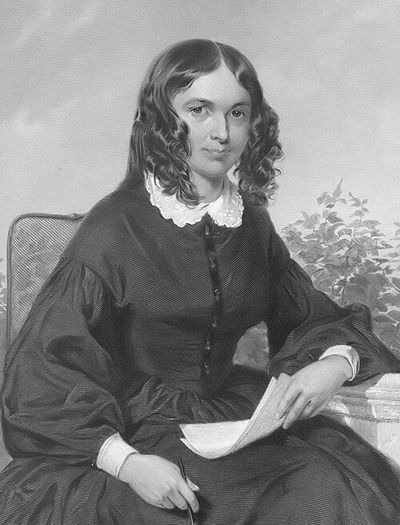
“How do I love thee? Let me count the ways. I love thee to the depth and breadth and height My soul can reach.”Elizabeth Barrett Browning, Sonnets from the Portuguese, Sonnet 43 (1850)
✓ VerifiedFound in a primary source: the original book, speech transcript, letter or recording.
What people get wrong
Common reading
A light, list-like Valentine's verse.
A light, list-like Valentine's verse.
Closer to the original
It is a serious poem by a woman who had been ill and grieving for years. Its last line looks past death: “and, if God choose, I shall but love thee better after death.”
It is a serious poem by a woman who had been ill and grieving for years. Its last line looks past death: “and, if God choose, I shall but love thee better after death.”
Timeline
- 1845–1846Elizabeth Barrett, an invalid kept at home by her father, falls in love with the poet Robert Browning through letters and visits. She writes sonnets about it and keeps them secret.
- 1846The couple marry secretly and leave for Italy. Her father never forgives her.
- 1850The sonnets are published as Sonnets from the Portuguese. The title suggests a translation, to hide how personal they are; Robert's nickname for her was “my little Portuguese.”
Use it in a speech
How do I love thee? Let me count the ways. Elizabeth Barrett Browning got to fourteen lines. I'd need a lot more paper. Happy Valentine's Day.
~8 secondsto say aloud
Pausenone needed in a card
Best spotthe card
Elizabeth Barrett Browning wrote, I love thee to the level of every day's most quiet need, by sun and candlelight. That's what the years have been with you. Happy anniversary.
~10 secondsto say aloud
Pauseafter “candlelight”
Best spotthe anniversary toast
Elizabeth Barrett Browning asked, how do I love thee? Let me count the ways. May you two spend the rest of your lives counting. To the couple.
~8 secondsto say aloud
Pauseafter “count the ways”
Best spotthe closing toast
Questions people ask
Who wrote “How do I love thee? Let me count the ways”?
Elizabeth Barrett Browning, in Sonnet 43 of Sonnets from the Portuguese (1850).
Who was it written for?
Her husband, the poet Robert Browning, during their secret courtship.
Why “from the Portuguese”?
The title made the very personal poems look like translations. Robert's pet name for her was “my little Portuguese.”
Cite this quote
These cite the original source directly, so you can use them in an essay or paper. Always check your teacher's required style.
MLABrowning, Elizabeth Barrett. “Sonnets from the Portuguese, Sonnet 43.” 1850. Project Gutenberg, www.gutenberg.org/ebooks/2002.
APABrowning, E. B. (1850). Sonnets from the Portuguese, Sonnet 43. Project Gutenberg. https://www.gutenberg.org/ebooks/2002
CHICAGOElizabeth Barrett Browning, “Sonnets from the Portuguese, Sonnet 43,” 1850.
IN TEXT (APA)(Browning, 1850)