The exact words
What Acton meant in 1887
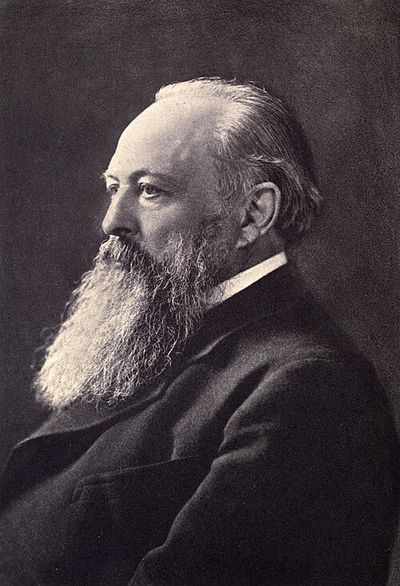
Acton and Mandell Creighton were both serious historians, and Creighton, a Cambridge professor and Anglican clergyman, had asked Acton to review the latest volumes of his History of the Papacy. Acton, himself a devout Catholic, found the books far too forgiving of the Renaissance popes, who had used torture, the Inquisition and political murder. Creighton’s view was that historians should judge people by the standards of their own time and should be cautious about condemning those who held great office.
Acton’s long reply is a passionate disagreement. He argued that the powerful deserve more suspicion, not less: “power tends to corrupt, and absolute power corrupts absolutely.” The next sentence is even blunter: “Great men are almost always bad men.” Historians, he insisted, must apply the same moral law to popes and kings as to anyone else, or history becomes a whitewash.
The word everyone forgets
The line is usually quoted as “power corrupts, and absolute power corrupts absolutely.” Acton wrote “tends to corrupt.” The difference matters: Acton was describing a strong tendency, not an iron law, which made the second half, about absolute power, the real point. The more power a person has, and the fewer limits on it, the more certain the corruption.
Acton was not the first to say something like this. In 1770 William Pitt the Elder told the House of Lords that “unlimited power is apt to corrupt the minds of those who possess it.” But Acton’s balanced sentence is the version that stuck.
How to quote it
Use “tends to,” which shows you have read the source and makes the claim more defensible. The line fits any essay on leadership, political checks and balances or scandal, and it is worth knowing that its original target was the way historians treat the powerful.
What people get wrong
“Power corrupts, and absolute power corrupts absolutely.”
Acton wrote “power tends to corrupt,” a tendency rather than a law. His target was historians who excused the crimes of popes and kings because of their position.
Timeline
- 1770William Pitt the Elder tells the House of Lords: “Unlimited power is apt to corrupt the minds of those who possess it.”
- 1887Mandell Creighton, a historian and Anglican clergyman, publishes volumes of his History of the Papacy that Acton finds too lenient on medieval popes.
- April 5, 1887Acton writes a long letter to Creighton setting out his view that the powerful must be judged by ordinary moral standards.
- 1907The letter is published in Acton's Historical Essays and Studies, and the line becomes famous.
Use it in a speech
Questions people ask
Who said “absolute power corrupts absolutely”?
Lord Acton, the English historian, in a letter to Mandell Creighton dated April 5, 1887.
Is the quote “power corrupts” or “power tends to corrupt”?
Acton wrote “power tends to corrupt.” The shorter “power corrupts” is a common misquotation.
What comes next in the letter?
“Great men are almost always bad men, even when they exercise influence and not authority.”
Cite this quote
These cite the original source directly, so you can use them in an essay or paper. Always check your teacher's required style.