The exact words
What Franklin meant in 1735
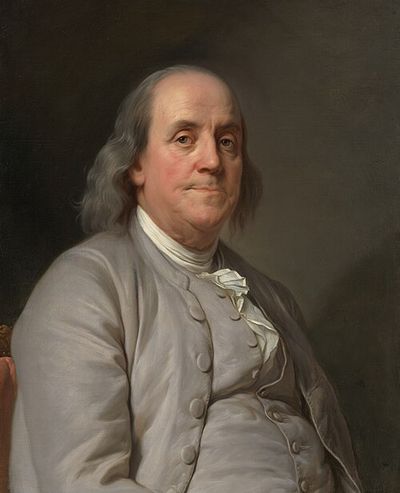
Philadelphia in the 1730s was a fast-growing town of wooden buildings, open hearths and candles, and fire was a constant danger. Franklin, then a twenty-nine-year-old printer, published an anonymous letter in his own newspaper, the Pennsylvania Gazette, signed as an “old citizen.” It offered practical advice on preventing fires and fighting them when they broke out.
The famous sentence introduces the first piece of advice. People often carried live coals from one fireplace to another in an open shovel, dropping sparks on wooden floors and stairs. Since an ounce of prevention is worth a pound of cure, Franklin wrote, they should stop doing it unless the coals were in a closed warming pan. He went on to recommend proper chimney sweeping and to praise the organized fire brigades of Boston.
What it led to
The letter was not just talk. In 1736 Franklin helped organize the Union Fire Company, a volunteer brigade whose members promised to bring leather buckets and help each other when fire struck. Other companies followed, and Philadelphia became known for its firefighting. In 1752 Franklin helped found the Philadelphia Contributionship, an early fire insurance company that still exists.
How people use it today
The saying is now used mostly about health, from vaccines to exercise, and about maintenance and planning in business. That is a natural extension of Franklin’s point. Knowing its origin in fire safety gives you a good story to tell when you use it, and it reminds listeners that Franklin was a practical problem-solver, not just a coiner of sayings.
What people get wrong
A health saying from Franklin's almanac.
Practical advice about carrying hot coals safely, from a newspaper letter on fire prevention in Philadelphia.
Timeline
- February 4, 1735Franklin publishes an anonymous letter in his own newspaper on fire prevention and firefighting in Philadelphia.
- 1736Franklin helps found the Union Fire Company, a volunteer brigade inspired by the ideas in his letter.
- 1752He helps found the Philadelphia Contributionship, one of the first fire insurance companies in America, still in business today.
- TodayThe proverb is used mostly about health, safety and maintenance.
Use it in a speech
Questions people ask
Who said “an ounce of prevention is worth a pound of cure”?
Benjamin Franklin, in an anonymous letter published in his Pennsylvania Gazette on February 4, 1735 (dated 1734/35 in the old calendar).
Was it about health?
No. Franklin was writing about fire prevention, specifically about carrying hot coals carelessly through houses.
Did Franklin invent the saying?
Similar proverbs about prevention and cure existed in English before him, but this exact wording is first found in his letter.
Cite this quote
These cite the original source directly, so you can use them in an essay or paper. Always check your teacher's required style.