The exact words
What Roosevelt meant in 1910
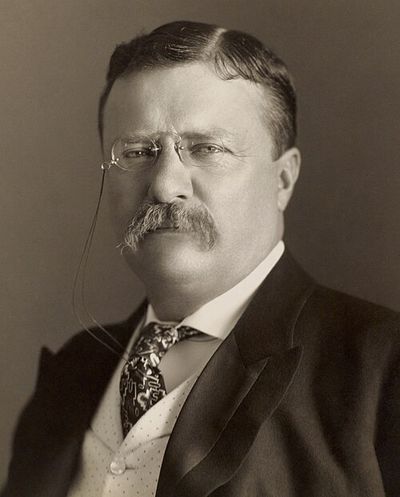
After leaving the White House in 1909, Roosevelt spent a year collecting specimens in Africa for the Smithsonian and then toured Europe as perhaps the most famous man in the world. At the Sorbonne in Paris he gave a long address, “Citizenship in a Republic,” to an audience of thousands. Its subject was what a democracy needs from its citizens: hard work, decent family life, honesty, courage, and a willingness to take part in public affairs.
The arena passage comes early in the speech, in a section warning against a kind of educated cynicism. Roosevelt had no patience for people who stood aside and criticized while others did the work. The credit, he said, belongs to the one actually in the fight, who errs and falls short again and again “because there is no effort without error and shortcoming,” but who keeps trying. Even failure, if it comes “while daring greatly,” is better than the safety of “those cold and timid souls who neither know victory nor defeat.”
Why the passage lasts
The paragraph works because it builds. It begins with what does not count, then piles up clause after clause describing the person who does, until it reaches the final turn: even the worst outcome for the doer beats the best outcome for the critic. Roosevelt had spent his own life in very public fights, from charging up Kettle Hill in Cuba to battling business trusts, and the passage reads like a personal creed.
It has been borrowed by an extraordinary range of people. Richard Nixon read it on the day he resigned, athletes tape it inside lockers, and the researcher Brené Brown built her 2012 book Daring Greatly around its final lines.
How to use it
The full passage is long, so in a speech use one or two clauses: “the credit belongs to the man who is actually in the arena” or “if he fails, at least fails while daring greatly.” Many modern speakers say “the person in the arena,” which keeps the meaning while making it inclusive. It fits graduations, team talks, product launches and send-offs for anyone who took real risks.
What people get wrong
A general self-help saying about ignoring haters.
Part of a serious speech about democratic citizenship, in which Roosevelt argued that a republic depends on ordinary people taking part and taking risks rather than standing aside to sneer.
Timeline
- March 1909Roosevelt leaves the presidency and sets off on a year-long hunting and scientific expedition in Africa.
- April 23, 1910On a tour of Europe, he speaks to a huge audience at the Sorbonne in Paris. The arena passage is one paragraph of a long speech.
- August 9, 1974Richard Nixon quotes the passage in his farewell remarks to his staff on the day he resigns.
- 2012Brené Brown's best-selling book Daring Greatly takes its title from the passage's final lines.
Use it in a speech
Questions people ask
Where does “The Man in the Arena” come from?
From Theodore Roosevelt's speech “Citizenship in a Republic,” delivered at the Sorbonne in Paris on April 23, 1910.
Was Roosevelt president when he gave the speech?
No. He had left office in March 1909 and was touring Europe after a year-long expedition in Africa.
What does “daring greatly” mean in the quote?
It means taking real risks for something worthwhile. Roosevelt says that even failure, if it comes while daring greatly, is better than the safety of those who never try.
Cite this quote
These cite the original source directly, so you can use them in an essay or paper. Always check your teacher's required style.